


I’m on yet another Zoom call, wondering if my hair has looked like this all day, when I say something that really should have stayed on mute.
“I love being creative more than I love the business stuff”
It came out like verbal diarrhea and way harsher than I meant it. But back-to-back Zoom calls on a rainy day feel more like waterboarding than they do "collaborating” and yes, I have been waterboarded…
I started a creative company because I loved making things. Then the company grew, which is generally considered a good outcome when you own one. But somehow the better I got at building the business, the more I got removed from the work that made me want to start the damn thing in the first place.
And I missed the craft. A lot. I wanted to follow a weird ideas long enough to see what they could become without first figuring out who would staff it, what it would cost and how to explain it to eight people in Slack.
Lately, AI has been giving me little ways to get back into that tinker-experimenter creative soul that is so deeply who I am.
Now with AI, I can make something for the simple, slightly embarrassing reason that I want to see it exist.
Which is how I ended up spending my free time trying to make a portrait flip around like an old airport departure board.
Tiny black, white, and gray elements shifting until one image becomes another. I had a very specific movement in my head, and the first version was wrong.
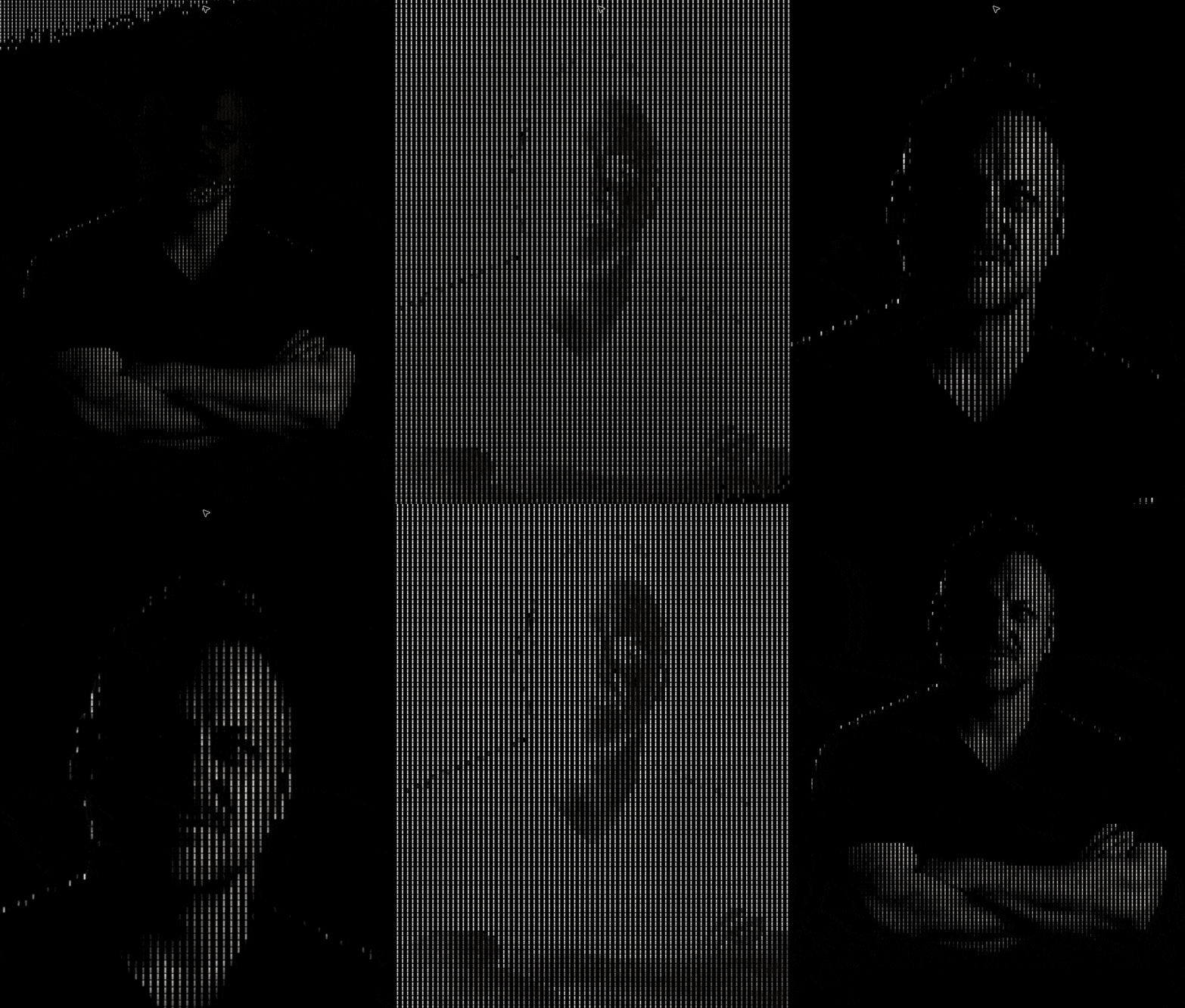
Then the second version was wrong in a more useful way.
I could see what bothered me. The flip was too smooth. The timing felt digital instead of mechanical. The image disappeared too cleanly. So I changed the instruction, looked again, hated something new, changed that, and kept going.
Somewhere along the way I realized the output wasn’t the most interesting part.
Every version was teaching me how to ask a better question.
My taste finally had something to push against. Seeing the wrong thing made what I wanted more visible. So, from there, I found what I was after through iteration and experimentation.
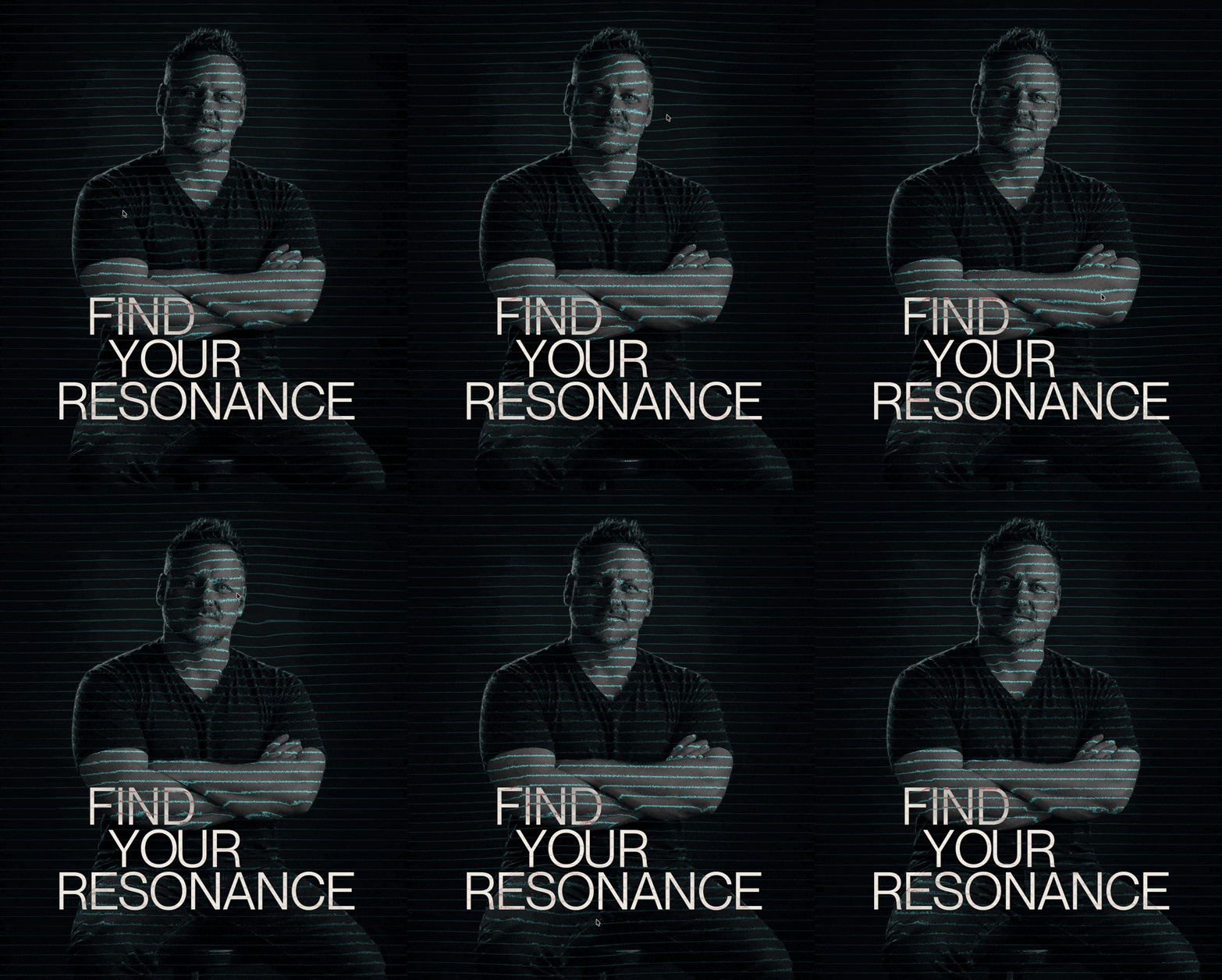
But I love these experiments because they let me follow curiosity without turning every weird thought into a project I need to staff, budget, and explain to eight people in Slack. And they’ve started making me wonder about something much bigger than whether I can make a stupid song.
How much of what we think we’re capable of is actually a reflection of the tools, roles and questions we’ve been given?
That simple question might be the answer
Rick Rubin recently talked about AI and creativity on The Diary of a CEO. One of the ideas that stuck with me was his argument that AI gives people ways to express ideas they may not have had the technical craft to express before. He compared prompting to the way a filmmaker directs storyboards and put it pretty simply: “The prompt is where the creativity is.”

Prompting has somehow become uncool in certain corners of AI land because everybody is busy wiring agents to other agents and watching them loop around doing God knows what.
Fine.
Automate the hell out of things that deserve to be automated.
But an agent loop still doesn’t decide what’s worth wondering about in the first place.
And that’s the part I’m interested in.
The creative act isn’t typing the perfect magic sentence into Claude. It’s deciding what question deserves to be asked, noticing what the first answer missed, changing the frame, adding a constraint, making a choice and asking again.
The question shapes the field before the answer ever arrives.
I think the same thing is true inside your company.
Ask someone to finish the report and eventually you learn how good they are at finishing reports.
Ask them why the report exists, what customers actually do with it, and what they would build if they didn’t have to make the report at all?
You will see an entirely different version of that person.
New tools reveal old ideas
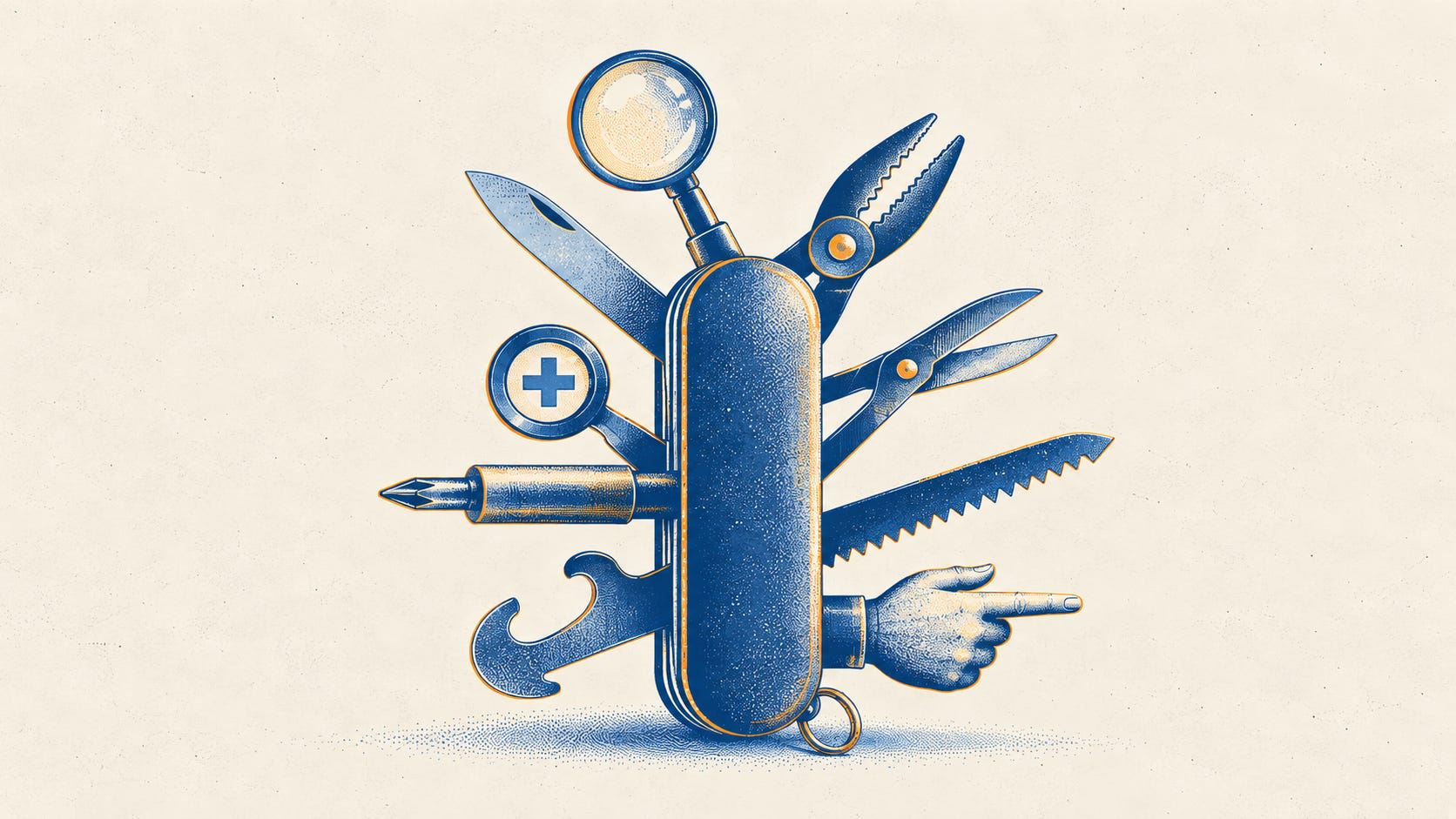
Roblox gave me a good example of this recently.
Its new Build tool lets people create games through prompts. Since the New Zealand alpha launched, Roblox says creators have published roughly 9,000 games with it. More interesting to me: 71% of the people who had created a game with Build had never used Roblox Studio before.
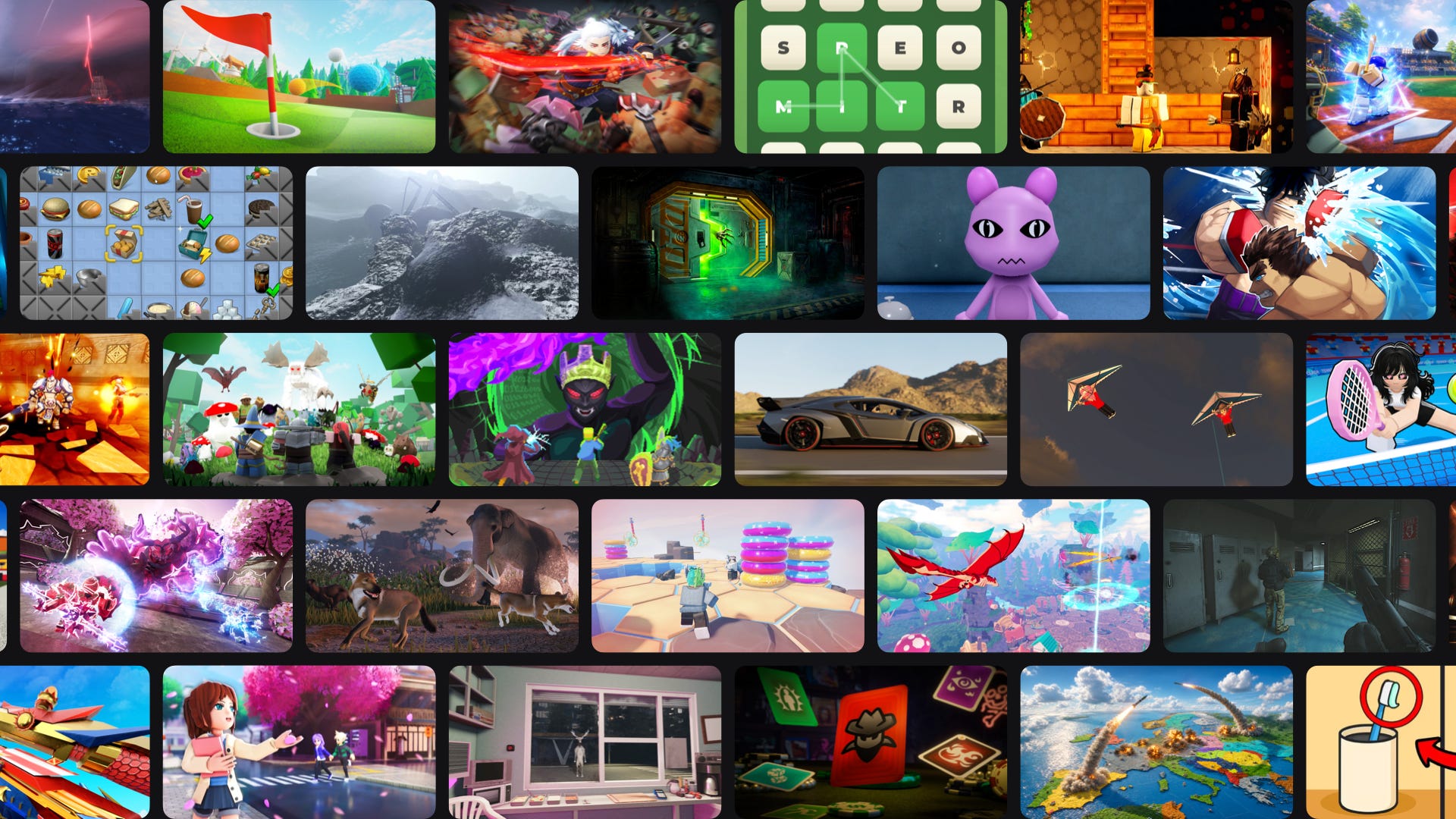
That statistic does not tell us whether those 9,000 games are good.
Some of them may be absolute dog shit. But that’s beside the point.
It tells us thousands of people tried making something they had not previously tried making through the company’s existing creation tool.
Maybe some of those ideas had been sitting in their heads for years.
What changed was the route from “I wonder if…” to “Here, try this.”
That’s the part I’d pay attention to if I worked at your company.
There are people inside your org carrying around ideas you’ve never seen because the old way from idea to execution required a budget, a specialist, and a string of red tape and political capital before it ever had a chance of seeing the light of day.
With AI those walls are disappearing. How are you evolving within this new world?
Your org chart is an archive of old questions
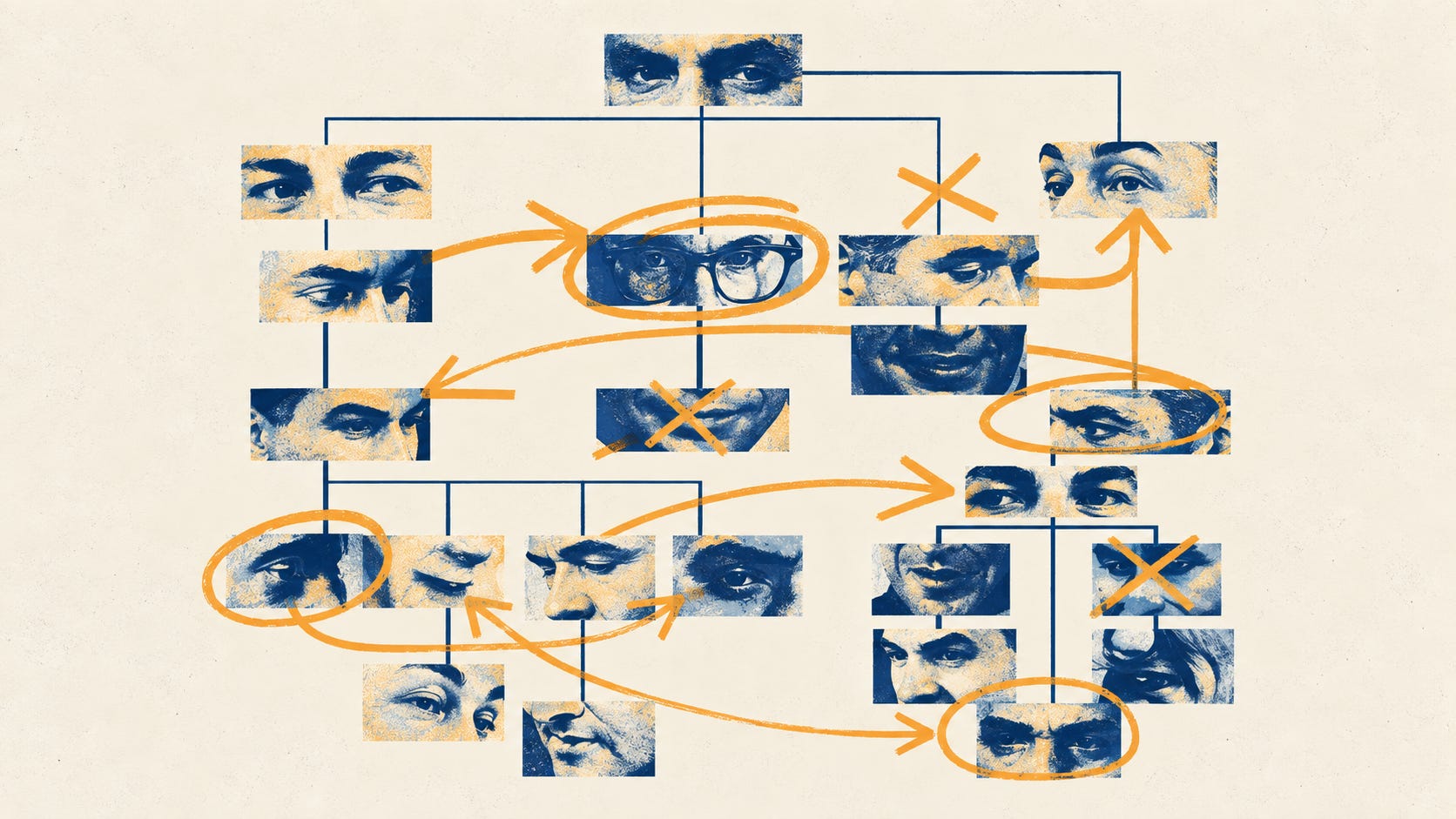
You know who your reliable people are. You know who understands the customers, who can untangle a spreadsheet, who can calm down an angry client, and who somehow understands the ancient internal system nobody remembers buying.
You’ve built a picture of those people from the work you’ve watched them do.
But how current is that picture? Your org chart is useful. It’s also a relic of the past.
They are a limiting label of what people are capable of doing NEXT.
But you keep asking the same five people for ideas. Everybody else gets execution. Then leadership looks around six months later wondering why the company isn’t more innovative.
Maybe the problem isn’t that only five people are creative. Maybe only five people keep getting asked the right questions.
A leader can become the ceiling on a team’s imagination through perfectly ordinary decisions about who gets invited, what gets assigned, which questions get asked and whose rough idea gets another ten minutes before somebody says, “Anyway, back to the agenda.”
There’s some research that I’d read if I was you.
A field experiment involving 791 professionals at Procter & Gamble had people work on real product-innovation problems, with some working alone, some in pairs, and some with AI. Individuals using AI performed at roughly the level of two-person teams without it. AI also helped technical and commercial professionals produce stronger ideas outside their usual functional lane, while human judgment still mattered when it came time to evaluate and choose.

That does not mean expertise is dead. It means job descriptions and org charts just might not capture the art of possible.
Maybe this is the new art of business

I keep circling this tension between the business of art and the art of business.
It may still be slightly too cute. I’m working on it. Thanks for being on this journey with me.
For years I thought about business as the machinery around the creative work. You make the thing, then business helps you price it, sell it, staff it, scale it and hopefully stop the whole operation from lighting itself on fire.
But maybe there’s an art to the business itself.
Maybe the art is creating conditions where people can discover what they’re capable of. Where strange ideas can get enough oxygen to become visible. Where somebody’s judgment can develop because they’re allowed to make choices and see what those choices actually do, especially when they result in failure.
And maybe the business side of art is what happens next: deciding which weird idea deserves another hour, turning it into something testable and figuring out whether anybody else gives a shit.
That’s a much more interesting relationship between creativity and business than “creative people over here, operators over there.”
AI is blowing up the lines when approached with a new mindset.
A marketer can build a rough product experience. A support rep can prototype a better onboarding flow. A strategist can make the thing they used to spend fifteen slides describing. A founder who hasn’t touched design software in ten years can make a portrait flip around like an airport departure board because apparently that’s how I’m spending my free time now.
That doesn’t make everyone an expert in everything.
It gives more people a way to enter the conversation by making something visible.
And once something is visible, we can start to evaluate it.
Go meet the person answering your support calls

Imagine someone on your customer-service team.
They’ve spent the morning walking four customers through the same confusing setup process. They know the point where people pause. They know that customers keep using a word your product team never uses because apparently customers refused to read the brand guidelines.
That person has opinions. Ideas. And I def want them in the room.
But I wouldn’t start by asking, “What new feature should we build?” That question is already too far downstream.
I’d ask them to walk me through the exact moment people get stuck. What does the customer expect to happen? What happens instead? What does the customer actually say? What have you learned to say on the phone that finally makes it click?
The question is doing creative work before we’ve made anything.
Now we have raw material.
Then I’d sit next to that person and make a rough version of something. Maybe it’s one screen. Maybe it’s different language. Maybe it’s a tiny tool. Maybe it’s an interaction nobody bothered to build because it would’ve needed a product manager, designer and engineer before somebody could even decide whether the idea was worth pursuing.
AI lets you get something visible faster. The first version may look great and completely lost the plot.
Good. Now you have another question.
Where did we lose what the support person understood? Did we clean the language up until it stopped sounding human? Did we add a paragraph at exactly the moment the customer wanted a button? Did the thing we thought was a UX problem turn out to be a trust problem?
That’s the part of the work I love. There’s something imperfect sitting in front of us and we’re learning how to see it more clearly. And I want the person who actually knows those customers making the calls with me. That’s their knowledge taking a form the rest of the company can finally interact with.
A rough idea can change how you see the person who made it
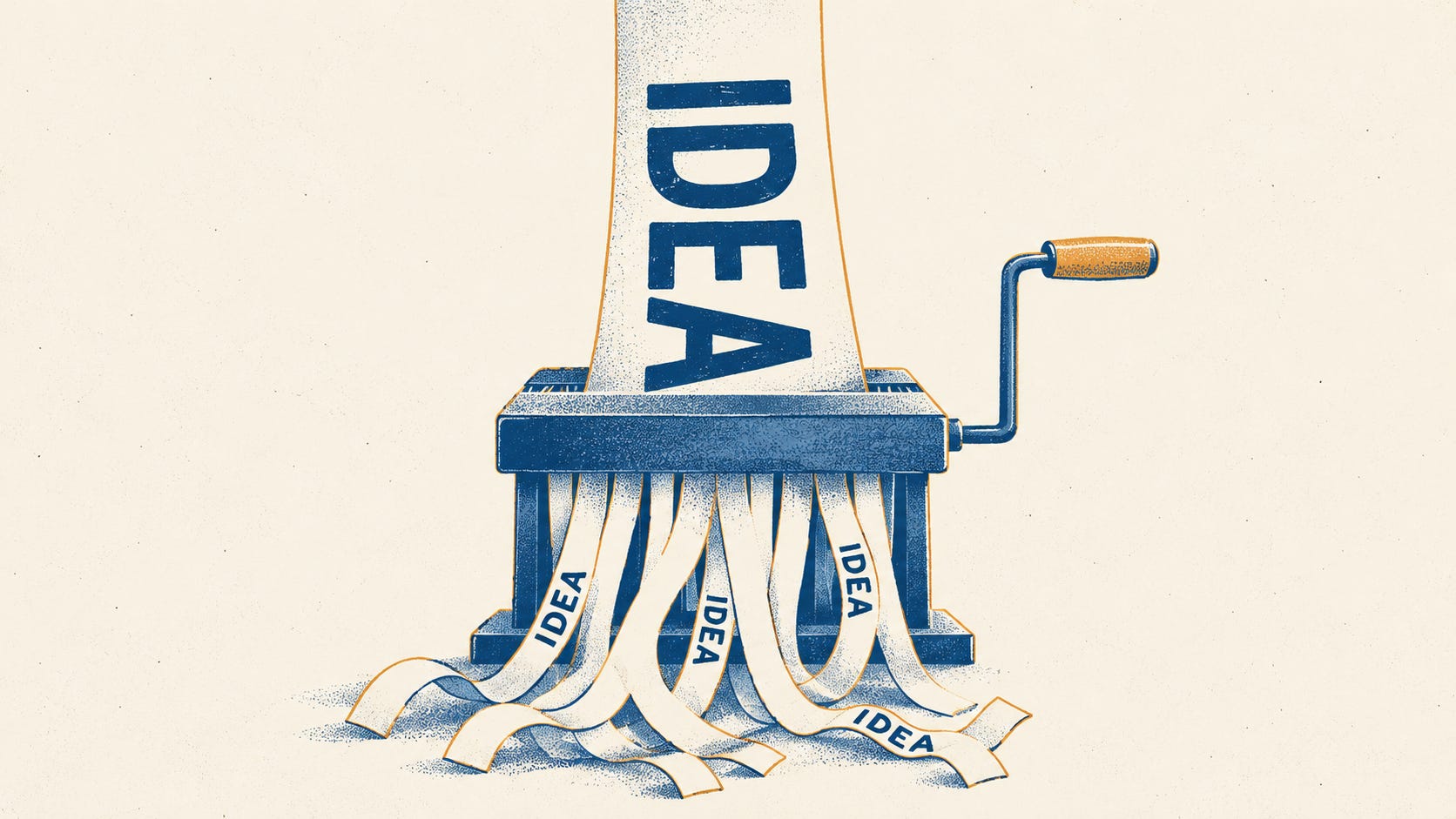
A leader could walk out of that session with two useful discoveries.
The obvious one is the prototype.
The more interesting one might be the person.
Maybe you just learned that someone you thought of as an excellent support rep has incredible product instincts. Maybe the finance person has a weirdly good eye for interaction design. Maybe somebody in operations understands storytelling. Maybe the analyst who barely talks in the strategy meeting has been quietly thinking about the problem for three years and simply never had a medium for showing you.
That’s what I mean by Applied Imagination.
You take something somebody knows deeply, give them a new way to explore what could be done with it, and make enough of the possibility visible to learn whether it deserves to keep going.
The technology matters. But trust me the question matters even more.
AI subscriptions don’t create permission. That is the job of AI adoption.

People have to believe you actually want them to do this. And I don’t mean checking your AI token usage. 🤮
You can stand onstage at the company all-hands yelling about experimentation and the future of work until somebody puts inspirational music underneath you.
Then Monday happens. And there’s a deadline.
And that imposed deadline has an owner, a calendar invite, a Slack channel and somebody following up at 4:47 asking if we’re “still good for EOD.”
The experiment has a sentence from the CEO saying, “I want everyone to think differently.”
I know which one I’d bet on.
Microsoft’s 2026 Work Trend Index surveyed 20,000 knowledge workers using AI across ten countries. Forty-five percent said focusing on current goals felt safer than redesigning work with AI. Only 13% said they were rewarded for reinventing work even when they didn’t hit the intended result.
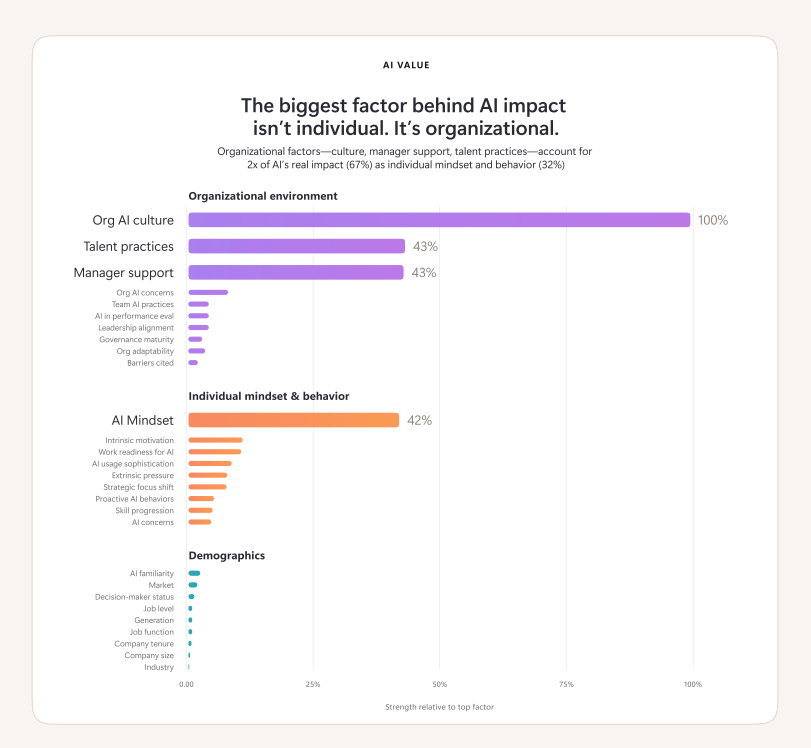
If experimentation is what people do after the “real work,” the real work will win every time.
If you want people to surprise you, you have to make room for the surprise.
Give your team an afternoon to surprise you

So here’s something I’d actually try.
Pick an afternoon. Take something off the calendar instead of adding another “innovation session” on top of twelve hours of existing work.
Bring together people from different parts of the company, especially a few who usually don’t get invited into creative conversations. Give them the approved tools and whatever sample data or context they need.
Then give them one assignment:
Pick one customer frustration you know unusually well. Make a rough version of something we could do about it. Bring us something we can try.
Don’t ask for business plans. Don’t ask for polished decks. And please, for the love of God, don’t make them spend forty-five minutes inventing team names.
Help people make the problem small enough to touch. Let them work alone or pair up. A rough clickable experience, tool, interaction or piece of content gives everyone something concrete to respond to.
Bring something unfinished yourself.
Show them the bad version. Show them the thing you couldn’t figure out. Ask for help.
Leaders love telling people it’s safe to be a beginner while doing everything in their power to avoid ever looking like one themselves.
Go first.
At the show-and-tell, I’d pay attention to the details people care about. Why did you choose that word? Why did you remove that step? What made you think the customer would trust this? What did the AI give you that you rejected? What did you keep fighting to preserve?
Those answers start telling you something about the person’s judgment.
Steal this: The Capability Discovery Loop
You don’t need to turn this into a company-wide event either.
There’s a smaller version you can try with one person this week.
Pick somebody whose capabilities you think you already understand. Maybe they’re in customer service, finance, operations, sales or wherever.
Then ask three questions.
1. What problem do you understand unusually well because you deal with it all the time?
Not “What should we innovate?” That question is way too big and usually produces corporate soup. I want the thing they’ve experienced enough times to have earned an opinion about.
2. What do you wish existed that would make that problem easier?
Listen for the workaround they’ve imagined, the thing they keep complaining about, or the sentence that starts with, “Honestly, I’ve always wondered why we don’t just…”
Stay there.
3. If we had two hours to make a shitty first version, what would we need to see?
Now the idea has to become visible. Not a business plan or seventeen slides explaining the opportunity.
Something you can look at, click, read, react to, or put in front of another human.
Then bring AI into the conversation.
I’m working with someone inside our company who knows this problem through direct experience.

Their role is:
[ROLE]

The problem they see repeatedly is:
[PROBLEM]

What they wish existed is:
[IDEA / WISH]

Do not design the solution yet.

First help us improve the question.

Give us five different ways to frame this problem.

For each one, tell us:

1. What assumption the original framing makes.
2. What becomes visible if we change that assumption.
3. What someone with this person’s firsthand experience might know that leadership could be missing.
4. What small thing we could make in under two hours to test whether this new framing is useful.

Then ask this person five questions you could not answer from generic industry knowledge.

The questions should force them to use:

- direct customer experience
- things they have repeatedly noticed
- workarounds
- exact language customers use
- judgment they have developed through doing the work

Do not replace their expertise with generic recommendations.

Help us turn what they know into something we can test.
The important part isn’t whether Claude comes back with a genius idea.
Watch the person.
Which question makes them lean forward? What do they immediately reject? What detail do they keep correcting? What do they know that the machine doesn’t? What part of the prototype do they obsess over even though everybody else thinks it’s minor?
That’s capability data.
You’re not only testing an idea anymore.
You’re learning how this person thinks.
After you’ve made the first rough version, ask one more question:
What’s wrong with this?
Not “Do you like it?” Not “Is this good?” Ask what’s wrong. Then shut up.
The person who has lived with the problem will usually see something everybody else misses.
Now you will see taste showing up to the party.
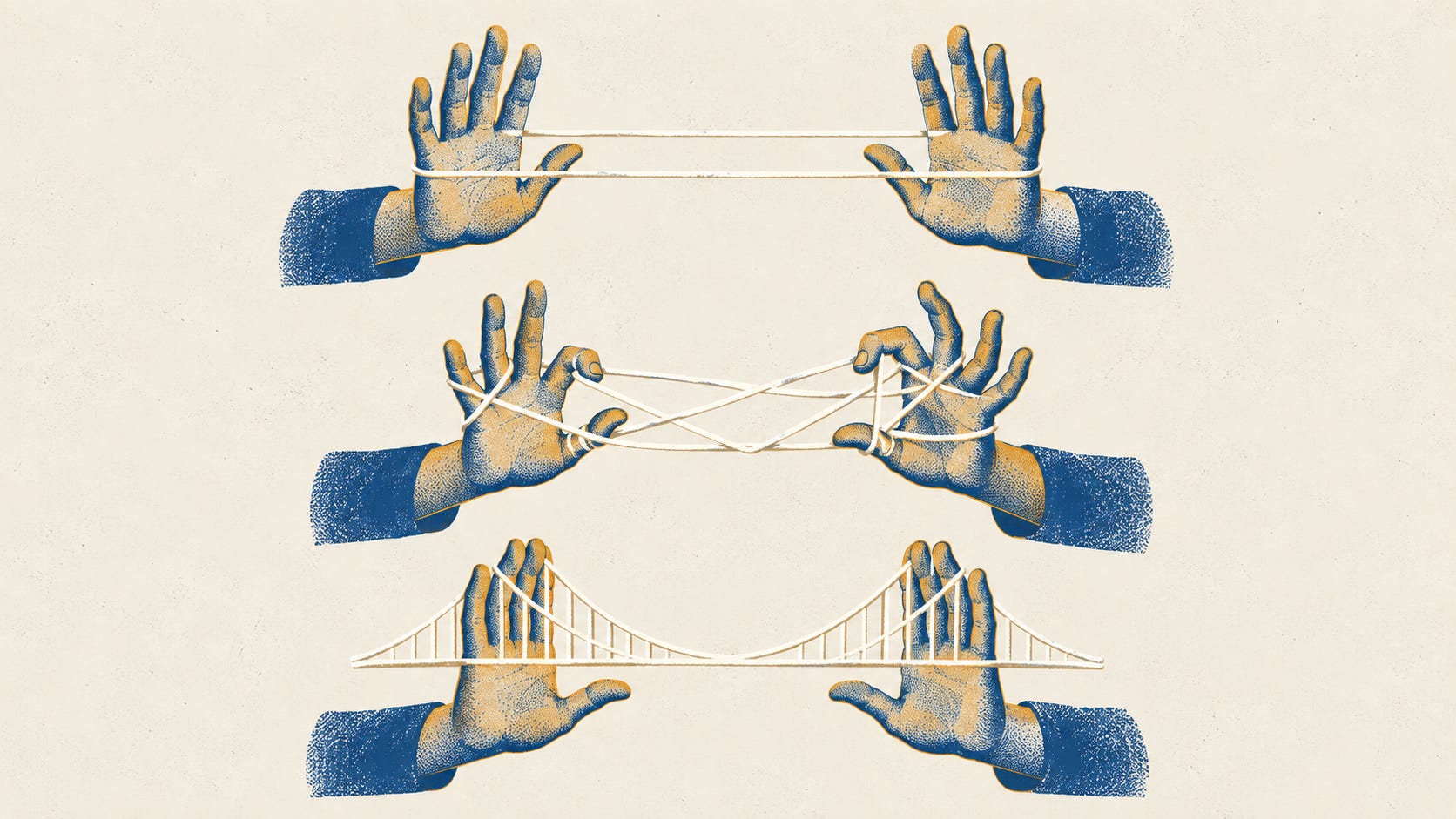
Craft lives in the loop
The interesting part of AI at work is not how many things people can pull out of thin air.
It’s what happens to their judgment when they get to make something, react to it, change it and see the consequence of the change.
Ask AI for ten versions and you have ten versions.
Make a choice, put it in front of somebody, watch what happens, understand why it failed, change it and try again?
Now you have learning.
Keep the first attempt. Keep the reason you changed it.
“We thought this instruction was clear. Three customers misunderstood it. Sarah changed five words. The next three got through without asking for help.”
That’s useful organizational memory.
It’s also how craft develops.
Craft is not just the thing somebody made. It’s the judgment they built while making it.
Which brings me back to my stupid mechanical portrait.
I could’ve asked AI for a hundred animations.
That wouldn’t have taught me nearly as much as seeing one, feeling that something was off, figuring out what bothered me and asking for the next version differently.
The question changed because I changed.
That’s the loop I want more of inside companies.
Don’t punish people for surprising you

And there’s one last thing I’d be careful about.
If somebody shows you a new capability, don’t immediately reward them by dumping fourteen new responsibilities onto their plate.
Nothing teaches a company to hide talent faster than:
“Wow, you’re really good at this. Congratulations. Here’s your old job plus an entirely new one.”
Have the conversation.
Do they want to do more of it? What should come off their plate? Where could this new capability matter? What support would let them get better?
If the answer is “nowhere,” that’s fine too.
Not every experiment needs to become a career pivot or an internal venture.
Craft and peace of mind
Later in that call last week, I tried to put words to what I actually want to scale.
Craft and peace of mind.
I keep coming back to that.
I want to make ambitious things with people who give a shit about the work and have enough room to enjoy getting better at it.
That sounds like a creative ambition.
I’m starting to think it’s also a pretty good business one.
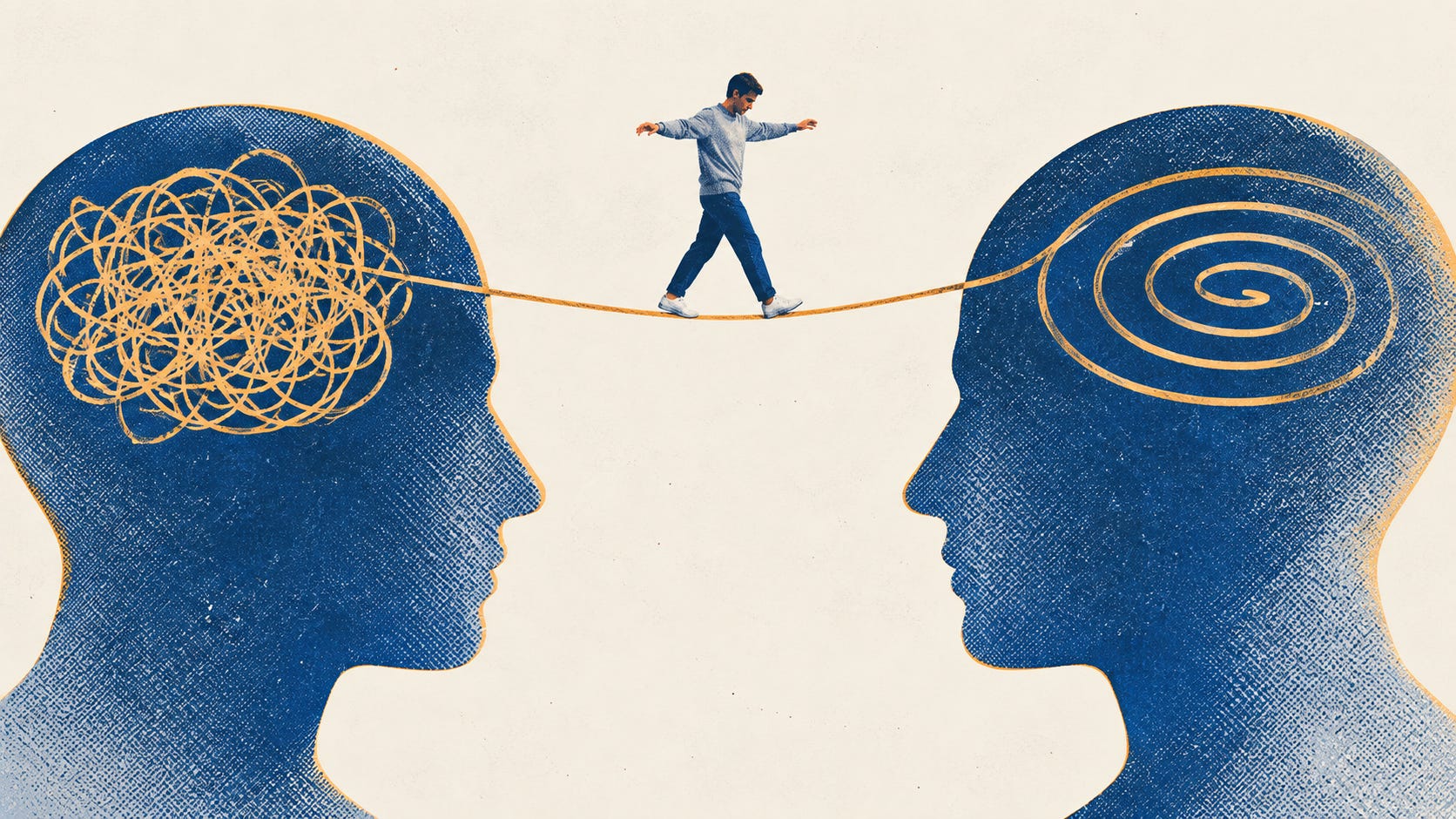
Maybe the art of business is not squeezing the maximum amount of known output from the capabilities you already understand.
Maybe it’s building a company curious enough to discover capabilities that haven’t shown themselves yet.
Start with somebody whose work you think you know.
Don’t ask them what AI could do for their job. Ask what they wish they could fix. Or ask what they’ve always wanted to make but never had the tools, time or permission to try.
Then help them make a rough version.
Watch what they notice. Watch what they change. Pay attention to the questions they start asking once the thing becomes real.
The answer might be useful.
The person asking the question might surprise you even more.
You may have worked with them for years. Leave room to meet them again.